
World’s Largest Iceberg A23a Nears South Georgia Amid Climate Concerns
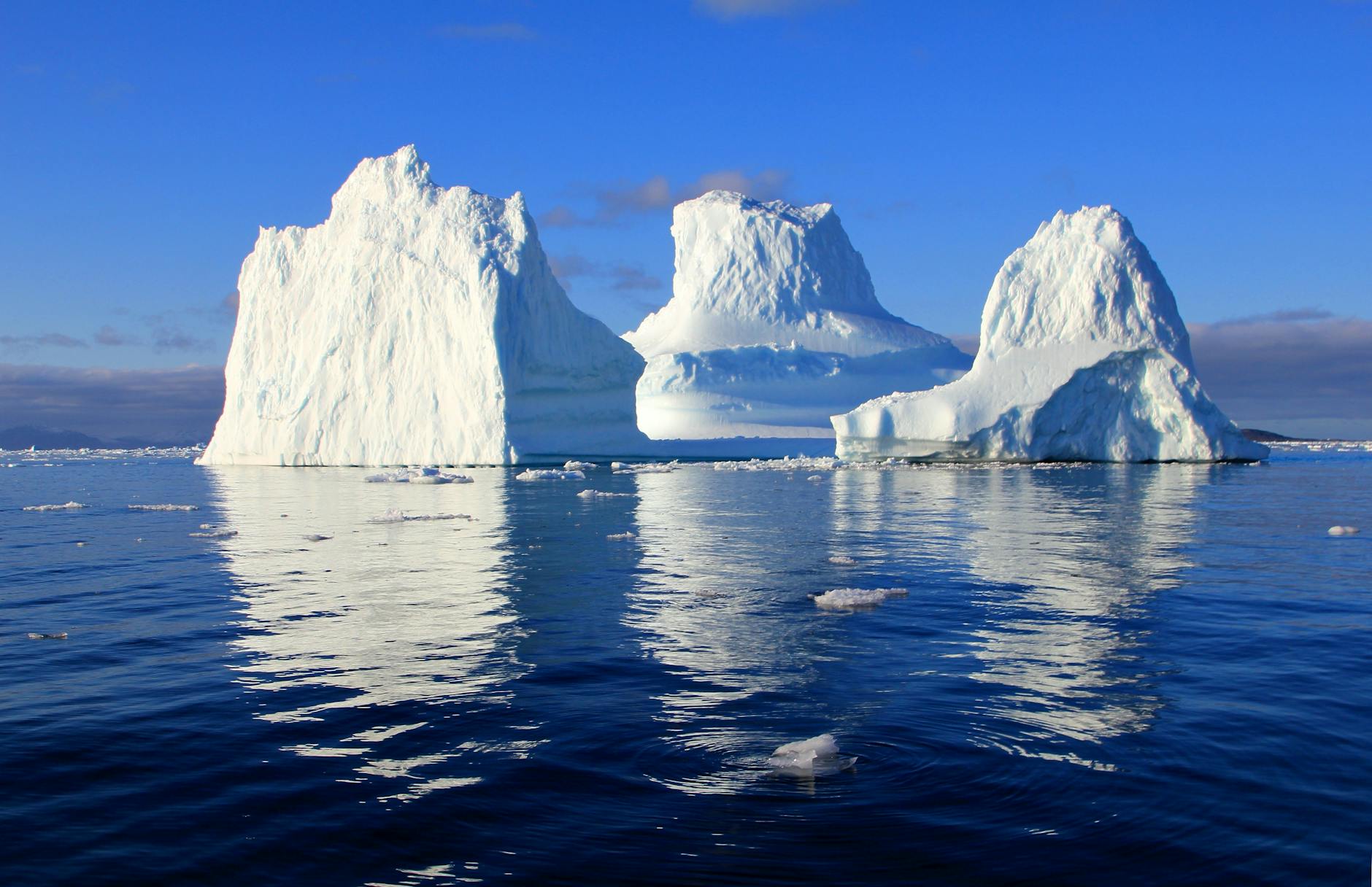
South Georgia, 13 January 2026 – The colossal iceberg A23a, the largest in the world, is advancing towards the British overseas territory of South Georgia in the South Atlantic. Measuring approximately 1,300 square kilometres in its main mass, it could ground near the island, potentially disrupting penguin and seal populations while releasing vital nutrients into the ocean.
Current Status and Trajectory
As of mid-November 2025, satellite images from Zoom.Earth show A23a’s primary fragment located about 100 nautical miles west-northwest of South Georgia. Smaller pieces, including one of around 300 square kilometres, are scattered farther north. The iceberg, which calved from the Filchner-Ronne Ice Shelf in 1986, remained grounded for over 30 years before resuming its drift in 2020. It has since followed the Antarctic Circumpolar Current northward at about 20 centimetres per second.
Experts from the British Antarctic Survey predict that A23a may reach the shallow continental shelf around South Georgia within weeks, where it could run aground. If it breaks up further, fragments might linger, complicating navigation for ships and affecting local fisheries.
Key Facts
| Aspect | Details |
|---|---|
| Size | Main mass: 1,300 km²; Original: ~3,500 km² (as of January 2025) |
| Age | Calved in 1986; Drifting since 2020 |
| Weight | Near 1,000 billion tonnes |
| Height | Up to 400 metres above water |
| Speed | 20 cm/s via Antarctic Circumpolar Current |
| Potential Impact | Blocks feeding grounds for penguins and seals; Releases nutrients for phytoplankton |
Threats to Wildlife
South Georgia hosts millions of penguins and seals, including king penguins and elephant seals, which rely on coastal waters for food during the southern summer. If A23a grounds, its towering ice walls—reaching 40 to 50 metres—could obstruct access to feeding areas, forcing animals to expend more energy and leading to higher mortality rates among chicks and pups.
This scenario echoes past events, such as the 2004 grounding of iceberg A38, which caused significant deaths among penguin chicks. The island’s wildlife is already stressed by avian flu outbreaks, and A23a’s presence could exacerbate these issues.
Ecological Benefits
Despite the risks, A23a’s meltwater introduces iron and other nutrients into the Southern Ocean, stimulating phytoplankton blooms. This process enhances carbon sequestration, potentially absorbing CO2 and supporting marine life like krill and whales. Research from the University of Sheffield indicates that giant icebergs like A23a could account for up to 20 per cent of the ocean’s carbon uptake in this region.
Scientists aboard the RRS Sir David Attenborough collected samples in 2023, revealing how melting icebergs alter ocean chemistry and boost biodiversity. As A23a disintegrates, it may leave behind smaller, nutrient-rich waters that benefit the ecosystem long-term.
Climate Change Link
While A23a’s formation predates significant human-induced warming, its accelerated drift and breakup highlight broader Antarctic ice loss. The British Antarctic Survey notes that rising temperatures are causing more frequent calving of giant icebergs, contributing to sea-level rise and ecosystem shifts.
Studies from the Paris Call for Glaciers and Poles emphasise the cryosphere’s role in global stability, with Antarctic ice sheets holding enough water to raise sea levels by metres if fully melted. Monitoring A23a provides insights into these changes, underscoring the need for emission reductions.
Frequently Asked Questions
What is the largest iceberg ever recorded?
B-15, from 2000, held the record with precise measurements, but A23a surpassed it in area before breaking up.
Could A23a cause a tsunami?
Unlikely, as it’s a tabular iceberg drifting slowly, but grounding could trigger minor waves or tsunamis in shallow areas.
How long will A23a last?
In warmer northern waters, it could fully melt within months to years, depending on currents and temperatures.
Is A23a visible from space?
Yes, satellites like those in the Copernicus programme track it daily, providing real-time data.