
Global Security Alert: New START Treaty Expires, Ending Era of Nuclear Arms Caps
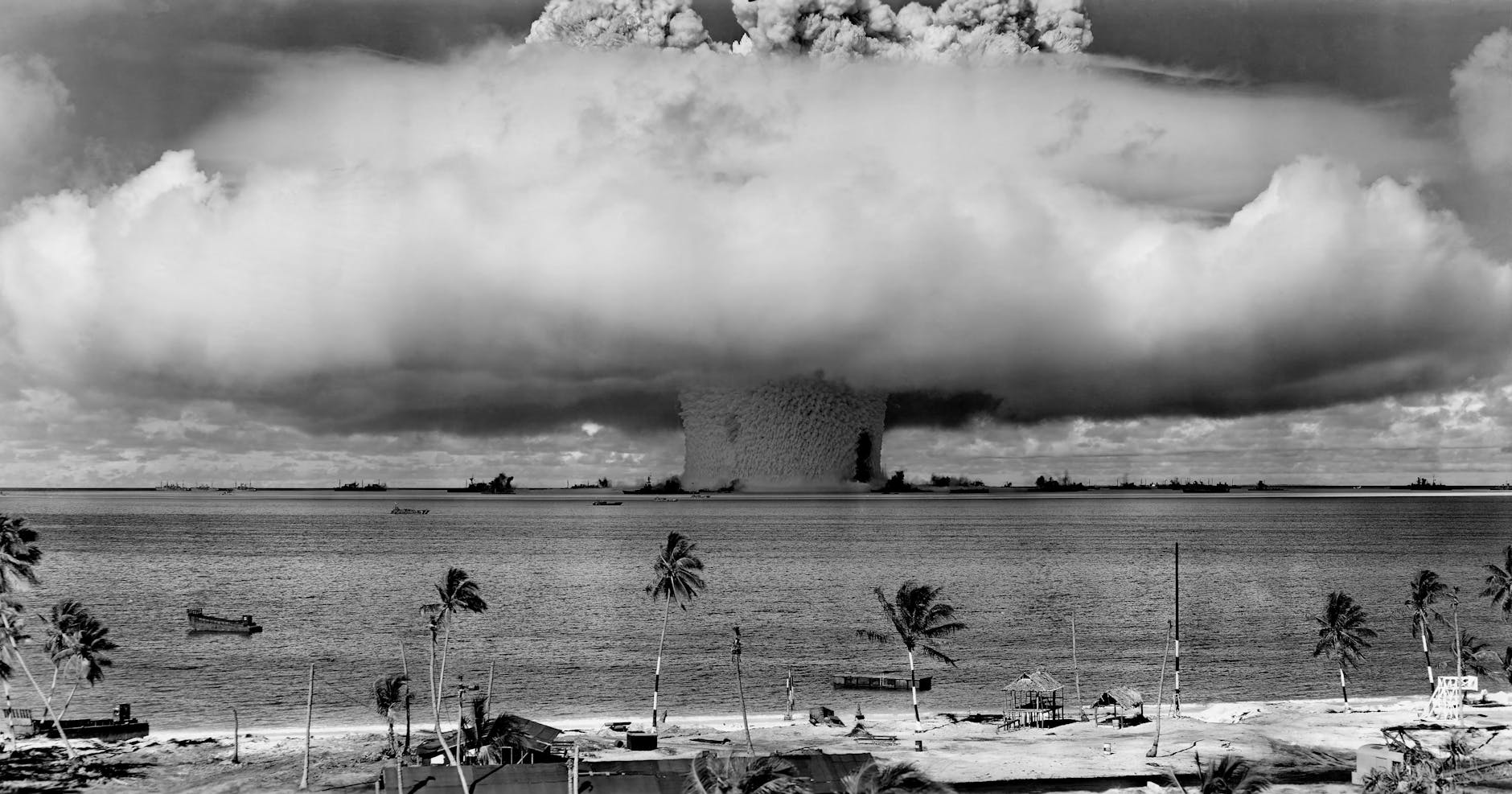
PARIS, 06 February 2026 – The international community has entered a period of profound strategic uncertainty following the formal expiration of the New START (Strategic Arms Reduction Treaty) yesterday, 5 February 2026. For the first time in over half a century, the world’s two largest nuclear powers, the United States and Russia, are no longer bound by bilateral limits on their deployed long-range nuclear arsenals.
A ‘Grave Moment’ for International Peace
United Nations Secretary-General António Guterres has described the lapse of the treaty as a “grave moment” for global stability. The agreement, which was originally signed in 2010 and extended for five years in 2021, served as the final remaining pillar of the Cold War-era arms control architecture. Its expiration removes the cap of 1,550 deployed nuclear warheads and the rigorous on-site inspections that provided transparency between Washington and Moscow.
The transition into a post-New START era comes amidst heightened tensions. While President Donald Trump has expressed interest in a “better agreement” that would ideally include China, Beijing has consistently resisted joining trilateral negotiations, accusing Washington of exaggerating threats to justify its own military modernisation. Meanwhile, Moscow has indicated that any future multilateral framework must also account for the nuclear capabilities of France and the United Kingdom, both NATO allies.
Key Milestones in Nuclear Arms Control
The collapse of New START follows a historical trend of eroding treaties that once defined global security. The following table outlines the foundational agreements that have shaped the nuclear landscape leading up to the current crisis.
| Treaty Name | Key Objective / Outcome |
|---|---|
| Antarctic Treaty (1959) | Established Antarctica as a demilitarised zone free of nuclear testing. |
| Limited Test Ban Treaty (1963) | Banned nuclear weapon tests in the atmosphere, outer space, and underwater. |
| Non-Proliferation Treaty (1968) | The multilateral centrepiece aimed at preventing the spread of nuclear weapons. |
| INF Treaty (1987) | Eliminated an entire class of ground-based intermediate-range missiles. |
| New START (2010–2026) | Limited US and Russian deployed warheads to 1,550; expired 5 February 2026. |
The French and European Perspective
In France, the expiration is viewed with significant concern. As the European Union’s sole nuclear-armed power following Brexit, France faces increasing pressure to participate in strategic dialogues. Russian negotiators have explicitly stated that future talks must include Paris and London to reflect the reality of the NATO alliance. However, French officials have historically maintained that their “force de frappe” is strictly for national deterrence and is already kept at a minimum sufficient level, far below the massive stockpiles held by the US and Russia.
Diplomatic sources in Geneva suggest that while the US and Russia have agreed to keep channels of communication open, the path to a successor treaty remains blocked by disagreements over tactical nuclear weapons and the inclusion of emerging technologies like hypersonic missiles.
Frequently Asked Questions
What was the New START treaty?
The New Strategic Arms Reduction Treaty (New START) was an agreement between the United States and Russia that limited each country to 1,550 deployed nuclear warheads and 700 deployed missiles and bombers. It also included verification measures such as satellite monitoring and on-site inspections.
Why did the treaty expire on 5 February 2026?
The treaty was originally set to expire in 2021 but was granted a one-time, five-year extension. Under the terms of the original agreement, no further extensions were permitted, requiring a completely new treaty to be negotiated and ratified—a process that failed to reach a conclusion before the deadline.
Will there be a new arms race?
Security experts warn that without legal limits or transparency measures, both nations may feel compelled to expand their arsenals to ensure “strategic parity.” The lack of inspections also increases the risk of miscalculation or accidental escalation during periods of geopolitical tension.
Is China involved in these treaties?
Currently, no. China is not a party to the bilateral US-Russia agreements. The United States has pushed for China’s inclusion in a new “trilateral” deal, but China maintains that its arsenal is significantly smaller than those of the two superpowers and should not be subject to the same restrictions.