
Dunkirk Carnival 2026: Thousands Brave the Snow for the ‘Trois-Joyeuses’
DUNKIRK, 16 February 2026 – The coastal city of Dunkirk has plunged into its most intense week of celebration as the “Trois-Joyeuses” (Three Joyful Days) officially commenced. Despite unseasonable snowfall on Sunday, over 100,000 revellers, known locally as masquelours, gathered for the traditional “Bande de Dunkerque,” marking one of the most vibrant editions in the festival’s 300-year history.
A Snowy Start to the Three Joyful Days
The 2026 edition of the Dunkirk Carnival has proven the resilience of the local spirit. On Sunday, 15 February, the city was blanketed in snow, yet the atmosphere remained electric. The “Bande de Dunkerque” saw a sea of colourful umbrellas (berguenaeres) and extravagant costumes (clet’ches) marching through the streets to the sound of the traditional brass band led by the Drum Major.
The highlight of the day occurred at the Place de l’Hôtel de Ville, where the Mayor performed the traditional “jet de harengs” (herring toss), raining down 450 kg of smoked herrings upon the cheering crowds. This year also saw the introduction of “Chez ma tante,” a new solidarity refuge designed to provide a safe space for carnival-goers in need of assistance or a quiet break during the festivities.
World Seagull Cry Champion Crowned
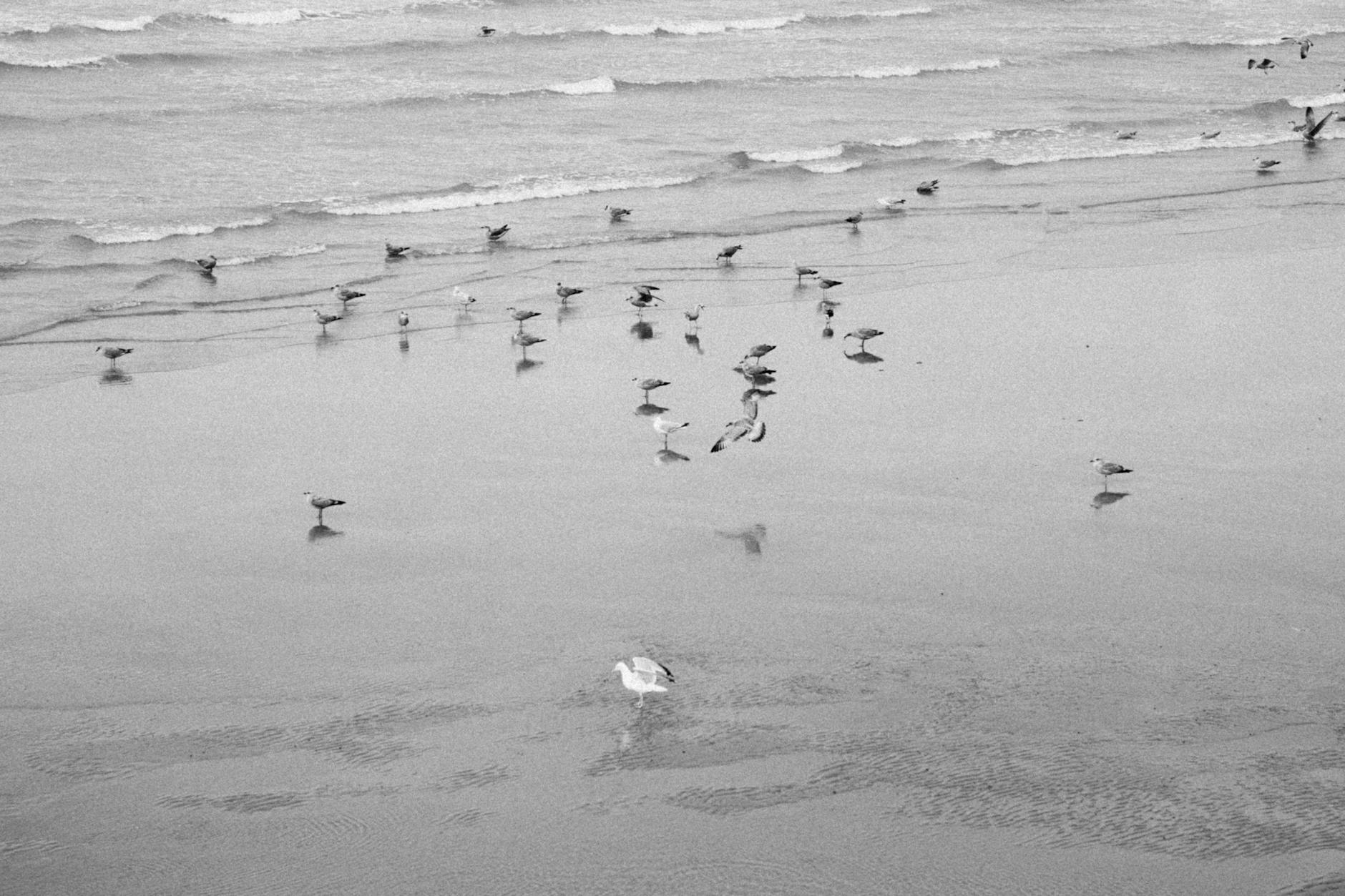
In a display of the carnival’s unique and eccentric heritage, the 13th World Seagull Cry Championship (Championnat du monde du cri de la mouette) took place on Sunday. A local Dunkirk resident was crowned the 2026 champion, impressing judges with a vocal performance that perfectly mimicked the coastal birds. The competition remains a symbol of the “Visscherbende” (fishermen’s band) roots of the festival, which began in the 17th century as a farewell feast for sailors departing for the dangerous cod-fishing grounds off Iceland.
Key Figures of the Dunkirk Carnival
| Feature | Details |
|---|---|
| Historical Origin | 17th Century (Fishermen’s farewell feast) |
| Trois-Joyeuses Dates | 15 February – 17 February 2026 |
| Traditional Food | Smoked Herring and Fries |
| Key Accessory | The Umbrella (Berguenaere) |
| 2026 Innovation | “Chez ma tante” Solidarity Space |
The Celebration Continues
The festivities do not end with the Sunday parade. Today, Monday 16 February, the “Bande de la Citadelle” takes centre stage, followed by the “Bande de Malo” on Tuesday. While the “Trois-Joyeuses” represent the peak of the season, the wider Dunkirk Carnival season actually extends over three months, involving various balls and smaller parades in the surrounding communes of the Nord department.
Frequently Asked Questions
What are the ‘Trois-Joyeuses’?
The “Three Joyful Days” are the climax of the Dunkirk Carnival, consisting of three consecutive days of parades (bandes) in the city centre, the Citadelle district, and Malo-les-Bains.
Why do men dress in female clothing?
This tradition, known as “travestissement,” dates back to the sailors who would borrow their wives’ dresses for a final celebration before heading to sea, as they did not have festive clothing of their own.
Is the carnival open to tourists?
Yes, though it is highly recommended to wear a costume (clet’che) to fully participate. Spectators are welcome, but the true experience involves joining the “chahut” (the organised push) within the parade lines.