
Iftar 2026: The Traditions and Significance of the Ramadan Fast-Breaking Meal
PARIS, 18 February 2026 – As the crescent moon marks the commencement of the holy month of Ramadan today, millions of Muslims across France and the United Kingdom are preparing for the first Iftar of the year. This evening meal, taken at sunset, serves as both a spiritual conclusion to the day’s fast and a vital social cornerstone for the community.
A Moment of Spiritual and Social Unity
Iftar, derived from the Arabic word for “breaking the fast,” occurs at the time of the Maghrib adhan (the evening call to prayer). In France, the Grande Mosquée de Paris officially confirmed that Ramadan 2026 begins this Wednesday, 18 February. For observers, the moment of Iftar is more than just a meal; it is a period of gratitude and reflection.
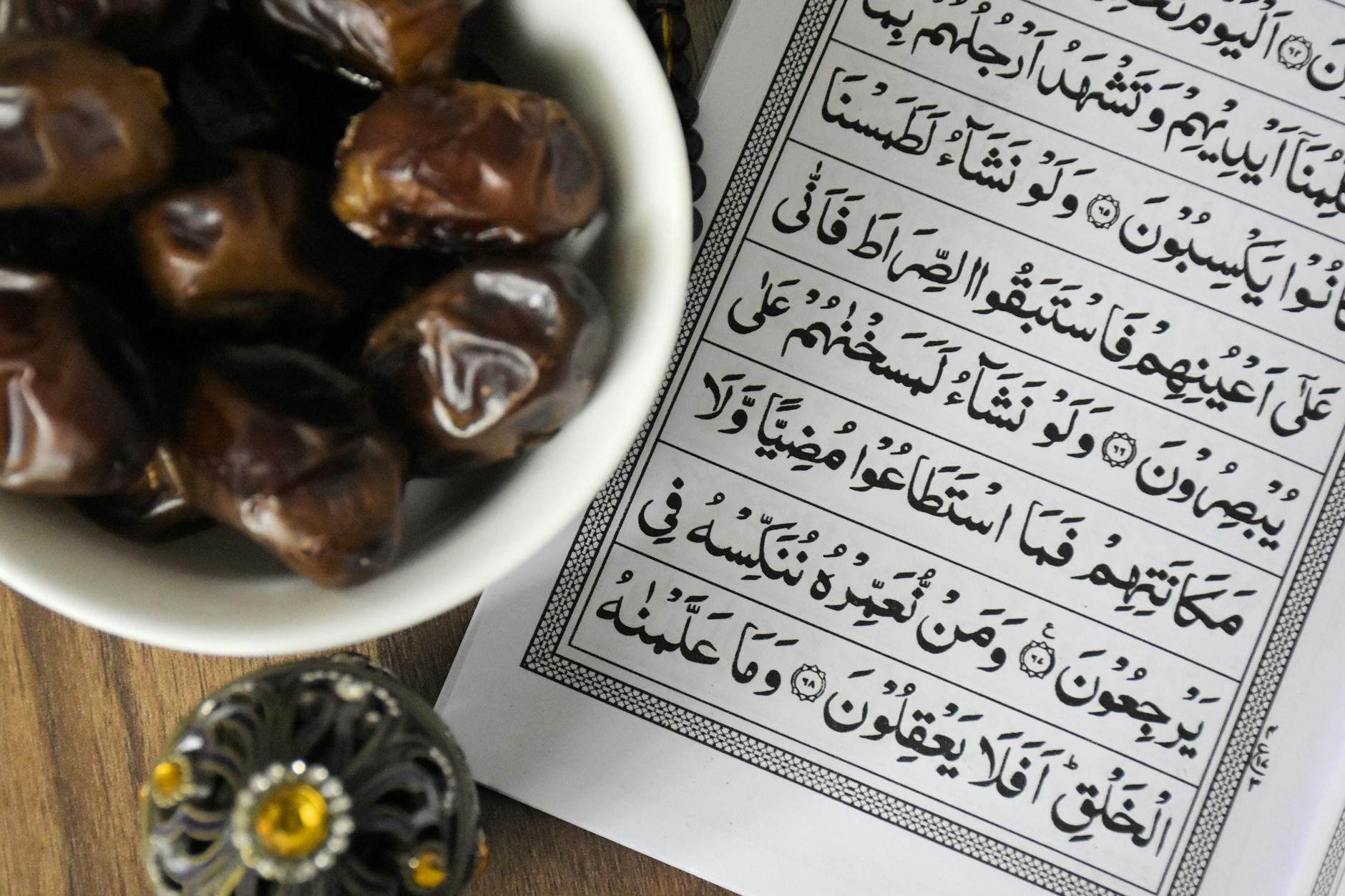
Tradition dictates that the fast is broken as the Prophet Muhammad did, typically with an odd number of dates and a draught of water. Following this, families gather for a more substantial dinner, often inviting neighbours and those less fortunate to share in the food. In major French cities like Marseille, Lyon, and Paris, communal “Iftars du cœur” are being organised to foster solidarity and support for the vulnerable.
Global Traditions and Modern Trends
While the religious significance remains constant, the cultural expression of Iftar varies. In Dubai, the return of the “Iftar Cannons” marks the sunset, while in the UK, sports clubs like the Sheffield Eagles are hosting community Iftar events to bridge cultural divides. A rising trend for 2026 includes “Iftar Hikes,” where participants trek to scenic viewpoints to break their fast in nature, reflecting a growing interest in mindfulness and physical wellness during the holy month.
Key Facts: Ramadan and Iftar 2026
| Category | Details for 2026 |
|---|---|
| Start Date | Wednesday 18 February 2026 |
| Fast Duration | Approximately 12 to 14 hours (varying by latitude) |
| Traditional Foods | Dates, Harira (soup), Shorba, and various pastries |
| Key Rituals | Maghrib prayer, communal dining, and acts of charity (Zakat) |
Frequently Asked Questions
What time is Iftar today?
In Paris and London, Iftar for the first day of Ramadan (18 February) occurs at sunset, approximately 18:10 to 18:25 depending on the specific local coordinates. It is advised to check local mosque timetables for the exact minute of the Maghrib prayer.
Why are dates traditionally eaten first?
Eating dates to break the fast is a Sunnah (practice of the Prophet). Nutritionally, they provide a quick burst of natural sugar and energy to the body after a day of fasting without causing a heavy digestive burden.
Can non-Muslims attend an Iftar?
Yes. Iftar is frequently a communal event. Many mosques and community centres across Europe host “Open Iftars,” inviting people of all faiths and backgrounds to share the meal and learn about Islamic culture and values.
What is the difference between Iftar and Suhoor?
Iftar is the meal eaten at sunset to break the fast, whereas Suhoor is the pre-dawn meal eaten before the first prayer of the day (Fajr) to provide energy for the fasting hours ahead.