
The Doberman Pinscher: A Legacy of Protection and Intelligence
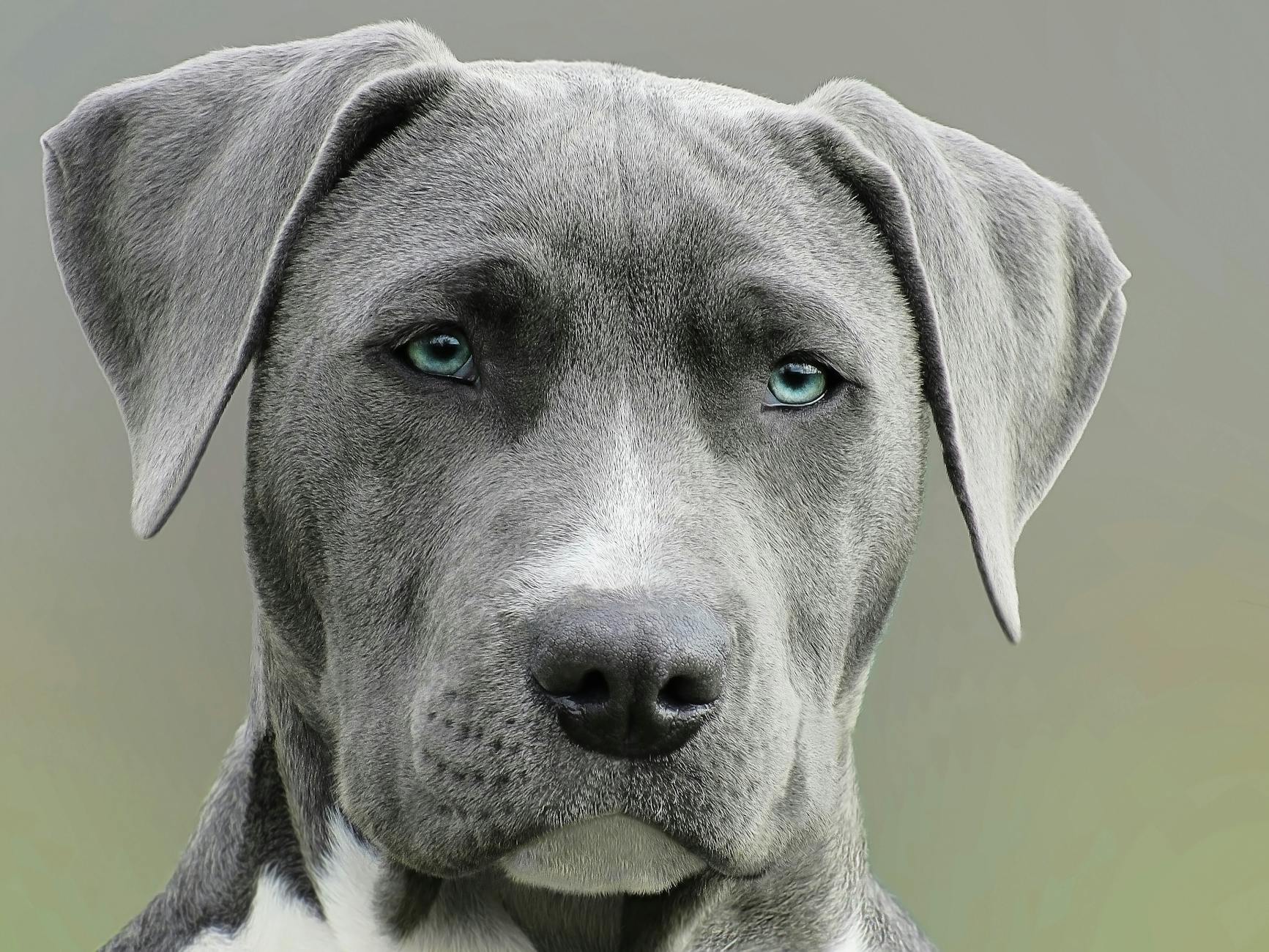
PARIS, 04 February 2026 – Renowned for its sleek silhouette and unwavering loyalty, the Doberman Pinscher remains one of the most recognisable and respected working dog breeds in the world. Originally developed in Germany for protection, the breed has evolved into a versatile companion capable of excelling in police work, search and rescue, and family life.
Origins and Development
The breed owes its existence to Karl Friedrich Louis Dobermann, a tax collector in Apolda, Germany, during the late 19th century. Due to the inherent dangers of his profession, Dobermann sought to create a canine protector that combined strength, loyalty, and intelligence. While the exact genetic lineage remains a subject of historical debate, it is widely accepted that the breed incorporates influences from the Beauceron, German Pinscher, Rottweiler, and Greyhound.
By the early 20th century, the Doberman had gained international acclaim. Its ability to learn complex tasks quickly made it a preferred choice for military and police forces across Europe. During the World Wars, the breed earned the moniker “Devil Dog” for its bravery on the front lines, serving as sentries and messengers.
Physical Characteristics and Maintenance
The Doberman is a medium-to-large dog, characterised by a square build and a short, hard coat. In France and across much of Europe, breed standards emphasise a natural look, with many jurisdictions now prohibiting the traditional practices of ear cropping and tail docking. The coat typically appears in four recognised colours: black, red, blue, and fawn, all featuring distinct rust-coloured markings.
Maintaining a Doberman requires a commitment to both physical and mental stimulation. These are high-energy animals that require at least 40 to 60 minutes of vigorous exercise daily. Without proper outlets for their energy, they can develop destructive behaviours or anxiety.
Key Breed Specifications
| Feature | Standard Detail |
|---|---|
| Average Height | 63 cm to 72 cm |
| Average Weight | 32 kg to 45 kg |
| Life Expectancy | 10 to 12 years |
| Temperament | Alert, Fearless, Intelligent |
| Origin | Germany (Apolda) |
Temperament and Training
Modern Dobermans are far removed from the aggressive stereotypes often portrayed in popular media. When bred responsibly and socialised early, they are affectionate and sensitive companions. However, their protective instinct remains sharp; they are naturally wary of strangers and highly devoted to their primary “pack” or family.
Training should begin in puppyhood using positive reinforcement techniques. Because of their high intelligence, Dobermans can become bored with repetitive tasks. Owners are encouraged to engage them in advanced obedience, agility, or scent work to keep their minds sharp. In a French domestic context, they are classified as excellent guard dogs but require firm, consistent leadership to thrive in urban environments.
Frequently Asked Questions
Are Dobermans suitable for first-time dog owners?
Generally, no. Due to their high intelligence and physical strength, they require an experienced handler who understands canine body language and can provide consistent training and socialisation.
How much grooming do they require?
Dobermans have a very short coat that sheds moderately. Weekly brushing with a rubber mitt and occasional baths are usually sufficient to keep their coat in good condition.
Are they prone to specific health issues?
The breed is susceptible to certain genetic conditions, including Dilated Cardiomyopathy (DCM), Von Willebrand’s Disease (a blood clotting disorder), and hip dysplasia. Prospective owners should ensure breeders provide health clearances for these conditions.